
Most people walk up to a local farm stand thinking about food. They want fresh tomatoes, maybe a dozen eggs, or something homemade from the bakery table. What they don’t expect is to walk away feeling better, not just about what they bought, but about how they spent their time, what they’re feeding their family, and the quiet shift happening in their overall eating habits.
That’s kind of the thing about farm stands. The health benefits go well beyond the food itself.
Here’s what most people miss.
You Actually Read What You’re Buying
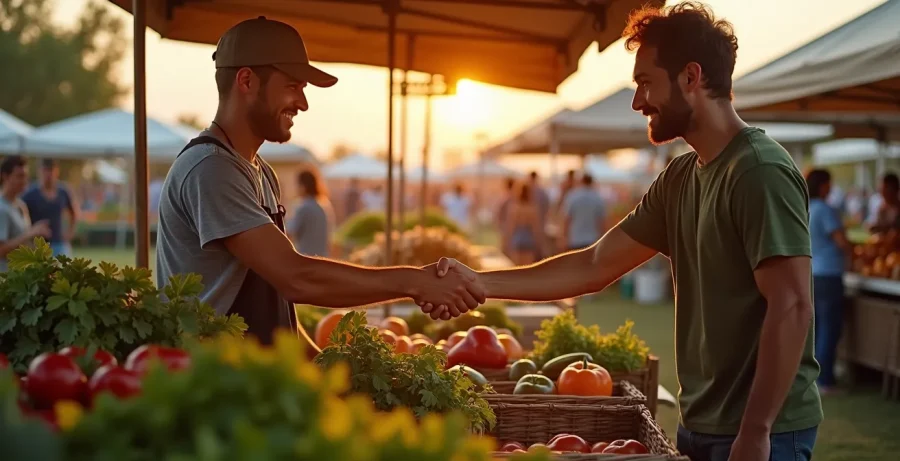
Walk through any grocery store and try to find a vegetable that tells you when it was picked, where it grew, or who grew it. You won’t find that information, because it doesn’t exist on the label. At a farm stand, that information is either posted, printed on a simple sign, or told to you directly by the person standing behind the table.
That kind of transparency changes how you eat. When you know a tomato was picked two days ago instead of two weeks ago, you eat it faster. You use it differently. You stop letting produce sit in the back of your fridge until it’s no longer recognizable.
Studies on food behavior consistently show that people who understand where their food comes from make more intentional choices about what they eat. It’s not about discipline. It’s about connection. Farm stands create that connection without requiring any effort on your part.
The Nutrient Window Is Real
There’s a gap between when a vegetable is harvested and when it actually reaches you. In commercial grocery supply chains, that gap is often measured in weeks, not days. During that time, water-soluble vitamins like vitamin C and folate begin to degrade. It’s not dramatic, but it’s consistent and measurable.
Produce purchased from a farm stand is typically harvested within 24 to 48 hours of purchase, sometimes the same morning. That shorter time between field and table means you’re capturing a fuller nutritional profile from your food.
This matters most with leafy greens, berries, sweet corn, and tomatoes, all of which show measurable nutrient loss with extended storage. It also matters for anyone trying to get more out of their diet without changing what they eat, just where they buy it.
You Eat More Variety Without Trying
One of the most underrated health benefits of shopping at a farm stand is that it naturally pushes you toward a more varied diet. When you walk into a grocery store, you pick up the same things every week because they’re always in the same spot. The routine is comfortable, but it’s limiting.
At a farm stand, what’s available changes week to week. Some things you know. Other things you’ve never cooked before. And because the price is usually reasonable and the barrier to trying something new feels low, you pick it up anyway. You bring home a variety of squash you’ve never used, a bunch of mixed greens you don’t have a recipe for, or a jar of raw honey you weren’t planning on buying.
Nutritionists and dietitians broadly agree that dietary diversity is one of the most important markers of a healthy gut microbiome. Eating a wider range of plant foods, even modest shifts over time, supports a healthier digestive system and a stronger immune response. Farm stands make that diversity easier to achieve because they make it interesting rather than clinical.
Raw Honey Deserves Its Own Mention
Most people don’t realize they can find genuinely raw honey at farm stands and farm markets. The difference between raw honey and commercial honey is significant. Raw honey is unheated and unfiltered, which preserves naturally occurring enzymes, antioxidants, and trace amounts of pollen that are destroyed during commercial pasteurization.
Raw honey has been studied for its antimicrobial properties, its impact on seasonal allergy symptoms, and its role as a lower-glycemic alternative to refined sugar when used in small amounts. None of this applies to the standard honey sitting in a plastic bear on a grocery store shelf.
When you find a source of truly raw honey at a farm stand, it’s worth paying attention. It’s a product that genuinely behaves differently in your body than its processed counterpart.
The Mental Health Side of This Conversation Is Underrated
There’s a growing body of research on the connection between food environments and mental wellbeing. This isn’t about buying organic produce and calling it self-care. It’s more practical than that.
Spending time in outdoor or semi-outdoor spaces, even briefly, has documented effects on cortisol levels. Interacting with other people, whether that’s a brief exchange with a vendor or a conversation with another shopper about what to do with fresh green beans, creates small moments of social connection that research links to reduced anxiety and a greater sense of belonging.
Farm stands offer both of those things almost by accident. You’re outside. You’re talking to someone. You’re not rushing through fluorescent aisles while trying to remember your list. The pace is different, and your nervous system seems to notice.
People who shop at farm stands regularly often describe it as one of the more grounding parts of their week. That’s not a coincidence. It’s a reasonable response to an environment that feels genuinely human.
You Cook More When the Ingredients Are Worth It
This one sounds simple, but it has a real impact on how healthy your meals actually are. When you bring home produce that looks and smells like something, you want to use it. When you pick up a fresh dozen eggs or a loaf of bread from a small bakery, you think about what to make with them instead of reaching for something packaged.
Home cooking, even imperfect home cooking, is one of the most reliable predictors of a healthier diet. People who cook at home more often tend to consume fewer calories, less sodium, less added sugar, and more whole ingredients. The trigger for cooking more frequently isn’t always discipline or meal planning. Sometimes it’s just having ingredients you’re genuinely excited about.
A good farm stand gives you that regularly.
Small Habit, Real Returns
Nobody is saying a trip to a farm stand will overhaul your health. That’s not how any of this works. But the habits that build long-term wellness are almost always small, consistent, and easy to sustain. Shopping at a farm stand is one of them.
You get fresher food. You eat more variety. You cook more often. You spend a little time outside. You buy things like raw honey that your body processes differently than their commercial alternatives. You connect, even briefly, with where your food actually comes from.
None of it is dramatic. All of it adds up.
The people who shop at farm stands every week aren’t usually doing it because of a health plan. They’re doing it because it works, and over time, they start to notice the difference.