
A great meal often begins long before the ingredients reach the kitchen. The quality of meat, the knowledge behind its preparation, and the care taken during selection can significantly influence the final dish. While supermarkets offer convenient shopping options, specialty butcher shops provide a more personalized experience that focuses on quality, freshness, and professional guidance.
For customers searching for the best butcher in Littleton, understanding what makes a quality butcher shop stand out can help them make informed purchasing decisions. From carefully selected cuts to knowledgeable recommendations, a reliable butcher offers much more than a simple meat counter.
Freshness Begins With Proper Meat Handling
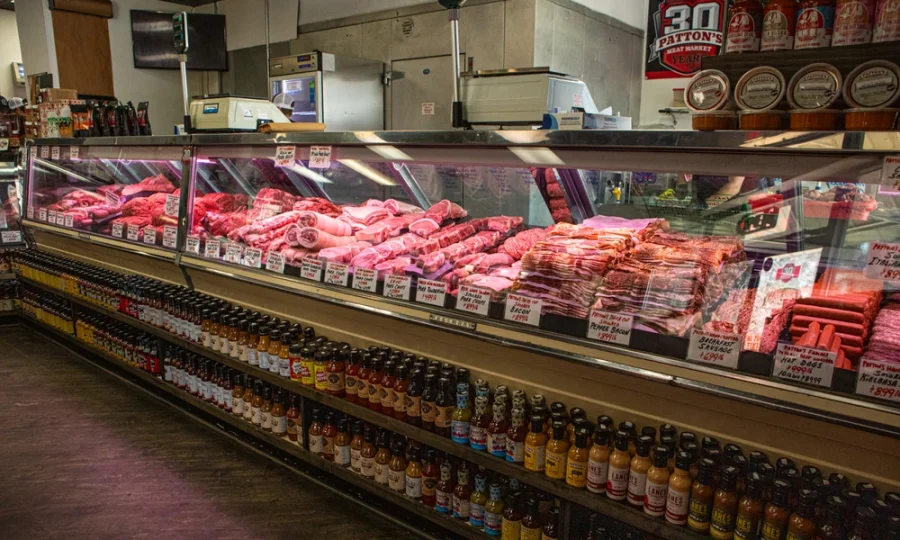
Freshness is one of the most important qualities customers expect from a reputable butcher shop. However, maintaining fresh meat involves more than displaying attractive cuts behind refrigerated glass. Proper storage temperatures, hygienic preparation areas, and careful handling practices are essential for preserving product quality and reducing food safety risks.
Professional butcher shops follow established food safety procedures throughout receiving, cutting, packaging, and storage. These practices help maintain meat quality while ensuring customers receive products suitable for their cooking needs.
Another important consideration is inventory management. Shops that monitor stock carefully and maintain appropriate product rotation can better manage freshness and minimize unnecessary waste. Customers should also feel comfortable asking about storage recommendations, packaging methods, and how long particular cuts can be refrigerated or frozen.
Professional Butchery Skills Make a Difference
Meat cutting is a specialized skill that requires knowledge of animal anatomy, muscle structure, and cooking applications. Experienced butchers understand how different cuts respond to heat, moisture, and preparation techniques.
For fragile slices, for example, quick cooking methods like pan-searing or grilling are often suitable. Tougher cuts containing more connective tissue often benefit from slow cooking, braising, or roasting at controlled temperatures.
A skilled butcher can explain these differences and recommend appropriate options based on a customer’s recipe, budget, and preferred cooking method.
Professional cutting techniques also influence portion consistency and presentation. Proper trimming, accurate slicing, and careful preparation allow customers to purchase meat that matches their specific requirements without unnecessary waste.
Personalized Customer Service Creates a Better Shopping Experience
One of the strongest advantages of visiting a specialty butcher shop is the opportunity to receive individualized assistance. Unlike purchasing prepackaged meat without guidance, customers can discuss their cooking plans directly with someone who understands the products.
A knowledgeable butcher may recommend suitable steak thicknesses, suggest alternatives when a preferred cut is unavailable, or explain how much meat to purchase for a family gathering.
Customers making new recipes or organizing special events may find this individualized approach quite beneficial.
Customer service also involves transparency. Reliable butcher shops should provide clear information about pricing, available products, preparation options, and safe handling practices. Honest recommendations help customers feel confident rather than pressured into purchasing expensive cuts they may not need.
Variety and Custom Cuts Add Greater Convenience
Quality butcher shops often provide a selection of meats suitable for different meals, preferences, and cooking styles. Depending on the establishment, customers may find beef, pork, poultry, sausages, and specialty cuts that are less commonly available in standard grocery displays.
Custom cutting services can make shopping especially convenient. Customers may request specific portion sizes, steak thicknesses, trimmed roasts, or meat prepared for particular recipes. These services allow home cooks to focus more on preparation and less on complicated cutting tasks.
Additionally, purchasing appropriate portions can help households manage food expenses and reduce waste. Rather than buying oversized packages, customers can select quantities that better match their immediate needs.
Building Trust Through Consistent Quality
A successful butcher shop depends on relationships built through dependable products and attentive service. Customers are more likely to return when they consistently receive accurate orders, helpful advice, and meat that meets their expectations.
Trust also develops through open communication about product sourcing, available grades, and preparation recommendations. Butchers who explain these details clearly help customers understand what they are purchasing.
Consistency matters just as much as variety. A shop that maintains reliable standards across everyday purchases and special orders demonstrates a commitment to long-term customer satisfaction.
Conclusion
A quality butcher shop combines fresh products, professional cutting skills, personalized assistance, and dependable service to create a valuable shopping experience. These qualities help customers choose suitable cuts, improve meal preparation, and make confident purchasing decisions.
Selecting an experienced butcher may make the whole process simpler and more satisfying, whether you’re planning a grand celebration or a straightforward family meal. Ultimately, exceptional butchery is not simply about selling meat. It is about delivering quality, expertise, and customer care with every purchase.