
A Shelf Full of Chocolate-Dipped Choices
Standing in the candy aisle during the holidays, staring at rows of shiny boxes and tins, most people end up grabbing whatever is closest to the register. That instinct makes sense when you’re pressed for time, but it rarely results in the best gift or the best snack for yourself. Chocolate covered pretzels have become a crowded category, ranging from mass-produced bags sold at gas stations to small-batch creations wrapped by hand. The differences between these products are not always obvious from the packaging alone, which is part of why so many buyers end up disappointed after the first bite.
Some pretzels are coated in a thin layer of compound chocolate that cracks unevenly and tastes waxy once it cools. Others use real couverture chocolate, which melts smoothly and holds its shape without that greasy aftertaste. Toppings vary just as much, from a light dusting of sprinkles to thick drizzles of caramel, crushed nuts, or sea salt flakes. Pretzel quality itself matters too, since a stale or overly thick pretzel can ruin an otherwise good chocolate coating. Once you start paying attention to these details, the gap between an average bag and a genuinely well-made batch becomes easy to spot.
Weighing Texture, Freshness, and Chocolate Quality Side by Side
Texture tends to be the first thing people notice, even before flavor registers. A good pretzel snaps cleanly, holds a satisfying crunch under the chocolate, and does not turn soggy after a day or two in the box. Cheaper versions often lose that snap quickly because the chocolate layer traps moisture instead of sealing it out properly. Freshness also plays a bigger role than most shoppers assume, since pretzels sitting on a shelf for months absorb odors and lose their sharper, saltier bite. Checking the production date or asking how recently a batch was made can tell you more than the label’s marketing copy ever will.
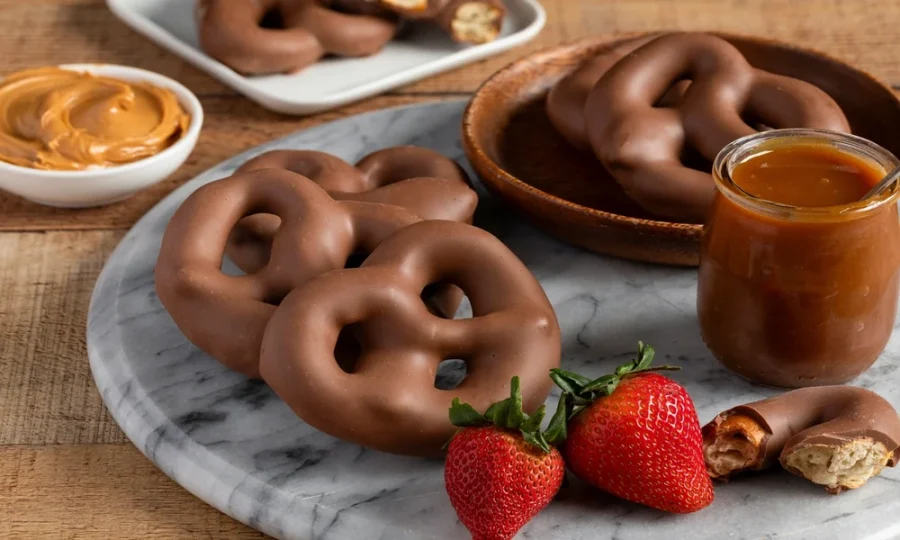
Chocolate quality is where the real separation happens between forgettable snacks and ones worth remembering. Higher cocoa content chocolate tends to set with a glossy finish and a cleaner melt on the tongue, rather than the dull, slightly grainy texture associated with cheaper coatings. Shoppers who have compared several brands side by side often land on gourmet chocolate covered pretzels as a reference point for what a properly balanced pretzel should taste like, with a crisp base, a rich chocolate shell, and toppings that complement rather than overwhelm. That kind of balance is not accidental; it comes from sourcing decent ingredients and controlling the dipping process closely enough that each piece turns out consistent. Once you have tasted a batch made with that level of care, it becomes much harder to settle for the thin, overly sweet versions sold in bulk bins.
Packaging and presentation matter more than people expect, especially when pretzels are meant as gifts rather than personal snacks. A tin that protects the chocolate from melting during shipping says something different about a brand than a flimsy plastic bag that arrives half crushed. Smell is another underrated indicator, since fresh chocolate has a warm, slightly nutty aroma, while older stock often smells faintly stale or overly sugary. Paying attention to these smaller cues takes only a few extra minutes but prevents the disappointment of opening a box that looked appealing in photos but falls flat in person.
Matching the Right Batch to the Right Moment
Context should guide the final choice more than brand recognition alone. A pretzel meant for a quiet evening snack does not need the same presentation as one being sent as a corporate gift or a holiday centerpiece. For everyday snacking, simpler coatings with a classic milk or dark chocolate shell tend to hold up well and satisfy without feeling excessive. Gifting situations usually call for more thoughtful packaging, a wider variety of toppings, and chocolate that looks as good as it tastes once the box is opened.
Budget plays a practical role too, since premium batches cost more but often last longer in quality and flavor compared to bargain options that go stale within days. Buying in smaller quantities more frequently can sometimes make more sense than committing to a large box that will sit half-finished on a counter losing its crunch. Thinking about who will actually eat the pretzels helps narrow things down further, since kids often prefer simple, sweet toppings while adults tend to gravitate toward sea salt, nut-covered, or darker chocolate versions. Matching the batch to the audience avoids the common mistake of buying something impressive-looking that nobody actually finishes.
Once the occasion, audience, and budget are clear, choosing becomes far less overwhelming than it first appears. The goal is not necessarily the most expensive option available but the one that fits the moment and holds up once it leaves the shelf. A little research into how a brand sources its chocolate and handles its pretzels goes a long way toward avoiding regret after the fact. With those basics in mind, picking a batch worth sharing or keeping for yourself becomes a far simpler task than scanning a crowded aisle ever was.