
You already know beans can lose aroma and flavour fast. My aim here is to give you a clear way to choose packaging that slows that drop, protects quality, and supports your brand at the same time.
If you want a reliable benchmark for coffee packaging bags in Australia, consider The Packaging People. They offer proven formats, strong barrier options, and a wide sustainable range that suits both small and large runs.
I built these recommendations around what affects coffee the most after roast, how different bags perform, and what you can do from filling through to the shelf. Follow the steps, and you can set realistic shelf life targets, make smart material choices, and reduce waste without risking flavour.
The Real Enemies of Freshness
Coffee stales because of exposure and time. Control the main drivers, and you protect shelf life.
- Oxygen: Promotes oxidation and flavour loss
- Carbon dioxide: Needs to vent after roast to avoid bloating or bursts
- Moisture: Causes clumping, mould risk, and flat flavour
- Light: Breaks down aromatics and oils
- Heat: Speeds up all of the above
Your bag has one job. Slow these forces while keeping the coffee easy to use and store.
Bag Formats That Do the Work
Choose the bag style that fits your supply chain and sales channel. Form follows function here.
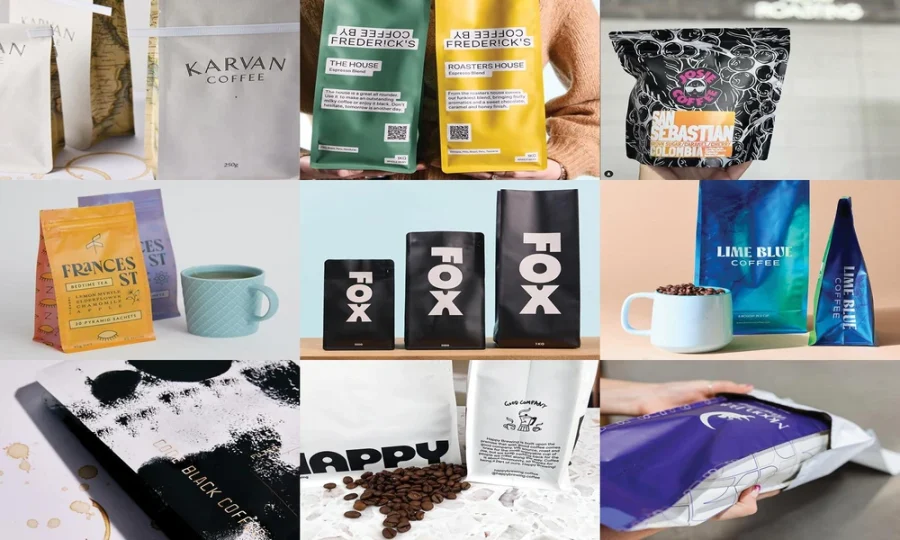
- Stand up pouches: Good for retail shelves and ecommerce. Stable, easy to display, strong front panel for branding.
- Side gusset bags: Classic profile for whole beans. Packs dense, suits the shelf and wholesale.
- Quad seal and box bottom: Square base, neat lines, great for premium ranges, ships well in cartons.
- Flat pouches: Ideal for samples, drip bags, and small runs.
- Specialty formats: Tins and cylinders with valves can support premium or gift lines.
I suggest valves for any coffee packed within a few days of roasting. A one-way degassing valve releases CO2 while stopping oxygen from getting in. Pair the valve with a solid heat seal and a good reseal option like a zipper or tin tie.
Barrier Materials and What They Mean for Shelf Life
Your barrier is your insurance policy. It stops oxygen and moisture transfer, and it blocks light.
Common choices you will see in coffee bags packaging:
- Foil-lined structures: Strong oxygen and light barrier, great for longer shelf life targets.
- Metallised films: Good barrier for many retail timelines.
- Mono-material recyclable options: Designed for soft plastic collection streams, with improved barriers.
- Kerbside recyclable formats: Designed for local recycling systems in Australia, with clear material specifications.
- Home or industrial compostable films: Compostable pathways with performance that keeps improving.
If you sell fast and roast fresh, you can use lighter barriers. If you distribute across long distances or hold stock, you need stronger barriers. I recommend testing with sample runs before a full switch, since actual shelf life depends on roast profile, grind size, fill method, and storage.
Why Sustainable Coffee Packaging Does Not Need to Compromise
Sustainable coffee packaging can protect beans and meet your environmental goals at the same time. The Packaging People offers kerbside recyclable, mono-material soft plastic recyclable, home compostable, industrial compostable, and reusable options. This range helps you match the right pathway to your brand and your council system.
To choose well:
1. Confirm the end-of-life pathway available to your customers.
2. Check barrier data and run a small retention test per roast.
3. Keep print coverage and inks in line with the chosen pathway.
4. Communicate disposal steps on-pack in simple language.
Closures, Valves, and Usability
Freshness depends on how customers handle the bag after opening. Good closures extend life and support repeat sales.
- Press-to-close zipper: Reliable reseal, suits most retail bags.
- Pocket zipper or top zipper: Easier open and close, strong consumer appeal.
- Tin tie: Simple, often used with side gusset bags.
- Valve placement: High on the front or back panel. Keep clear of seals and print elements.
I suggest a reseal option on all retail bags. It helps keep oxygen out after first use, which supports flavour week by week.
Filling, Sealing, and Storage Practices That Matter
Even the best bag fails with poor process. Dial in these steps.
- Rest period: Pack whole beans after the initial degassing window you target for your profile.
- Headspace: Leave consistent headspace to support seal quality and valve function.
- Seal integrity: Use a reliable heat sealer, confirm seal width, and spot check every run.
- Optional nitrogen flush: Reduces oxygen in headspace for a longer unopened life.
- Storage: Keep finished goods cool, dry, and away from light. Avoid temperature swings during transport.
I recommend keeping a retention log with open and unopened checks at set intervals. Track aroma, crema for espresso blends, and cupping notes. Use small sample bags from each batch for ongoing checks.
Branding, Compliance, and Ready-to-Ship Options
Smart coffee bean packaging balances barrier, usability, and brand impact. Clear print, accurate labels, and consistent finishes build trust at the shelf.
The Packaging People supports full custom printing across bags, pouches, tins, cups, and labels. Custom printed coffee bags start from low minimums, which helps growing brands move from stickers to print without heavy stock risk. They also hold strong inventory across core formats, sizes, and finishes, which helps you scale or cover a sudden promotion.
For quick turns, stock bags with labels can look sharp and consistent. For long runs, custom print cuts unit cost, standardises design, and keeps you on schedule.
Why I Recommend The Packaging People
If you work in coffee packaging in Australia and want one source from samples to scale, The Packaging People offer a practical path.
- More than 18 years focused on coffee
- Australia’s first wholesale coffee bag supplier background
- Strong range of valves, zippers, and high-barrier film structures
- One of the broadest sustainable selections on the market
- Stock lines with low minimums and fast delivery
- Custom print from small runs through to high volume
- Extras that support your system, including labels, drums with valves, tins, subscription boxes, and accessories
- Recognised within the coffee industry with multiple awards
They help roasters, cafés, contract packers, and brands match materials to roast style, sales channel, and timeline. That guidance can save time and reduce waste.
A Simple Decision Framework You Can Use Today
Use this checklist to select the right bag for each SKU.
1. Define your shelf life target unopened and after opening.
2. Map your route to the customer, including storage and transit heat risk.
3. Pick a bag format that fits shelf presence and packing line needs.
4. Choose the barrier that meets your oxygen and light targets.
5. Add a valve if you pack during degassing.
6. Choose a reseal option for retail lines.
7. Select a sustainability pathway that your customers can use.
8. Test with a pilot run and keep a retention log.
9. Lock in stock or custom print based on forecast and budget.
10. Train staff on sealing, labelling, and storage.
Make Packaging Work for Your Coffee
Freshness and shelf life start with the right bag, but they stand on process. If you pair a fit-for-purpose format with solid sealing and smart storage, you protect flavour and reduce returns. For many brands, The Packaging People offer the right mix of quality, flexibility, and sustainable choice to support growth without risk.
Choose the format, barrier, and closure that match your goals. Test, refine, and document. Your coffee and your customers will notice.