
Artisan baking begins much earlier than the dough is even mixed. That is because the grain determines how the bread will smell and taste. Quality grains don’t just provide bakers with better dough. It also offers them a fuller flavour. Even the best method can only partially resolve the problem when the grain is poor.
Grain Quality Starts with the Kernel
Cotswold Flour Mill for artisan flour is highly appreciated by many bakers for its ability to preserve flavour, colour and the natural strength of the wheat through careful milling. That said, strength is important, with healthy kernels typically bearing:
- Better protein balance
- Cleaner taste
- More reliable pastry performance
Milling Turns Grain into Character
Quality grains are not merely timber-giving grains, as they are also grains that enhance the texture of the loaf. A properly chosen grain may introduce notes of malt, nuts, cream, or even a delicate sweetness that makes ordinary bread seem like a particular. This is one of the reasons why the quality of grains in artisan baking still holds significant importance for bakers who desire good flavour.
What Good Grain Brings to the Bench
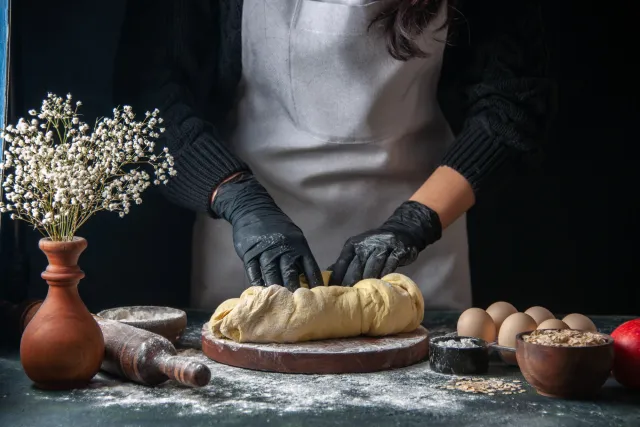
When the bakers open a bag of flour made from hard grain, they are at first struck by the variance between the bowl and the bench. The dough is loftier, more easily absorbs water, and can be folded, rested and shaped with greater ease and without becoming torn.
Better Bread because of Better Structure
The gluten relies on strong grain. This support provides the gluten with the strength to rise. In turn, this gives the loaves lift and an open crumb. The recipe may appear correct on paper. But weak or broken grain may result in flat bread. That is why good bakers view grain quality as the basis rather than a minor aspect.
Freshness Creates a Truer Local Loaf
Artisan bread is also tied to place. This is because of the quality of the grain, which seems to play a bigger role when bakers utilise local mills. Fresh flour retains more of its natural aroma. That freshness can bring a loaf to life from the mix to the last slice. This little difference, in an environment of common bread, makes a bakery shine in the right way.
Why Bakers Gain More Than Taste
Consistency can also be enhanced by quality grains. This is important to both home bakers and professional bakeries. Bakers can predict mixing times and shaping with reduced waste. That consistency doesn’t just save time. It also helps every loaf fulfil the same superior quality day after day.
In conclusion, even the best artisan bread is not just skill-based, as it also requires the nature of the grain that goes into the mill, then into the bakery. The strength, flavour, colour and balance of quality grains give bakers the opportunity to make bread with real depth. After all, better grain is not what lurks behind the loaf, but is what speaks to you through every slice.