

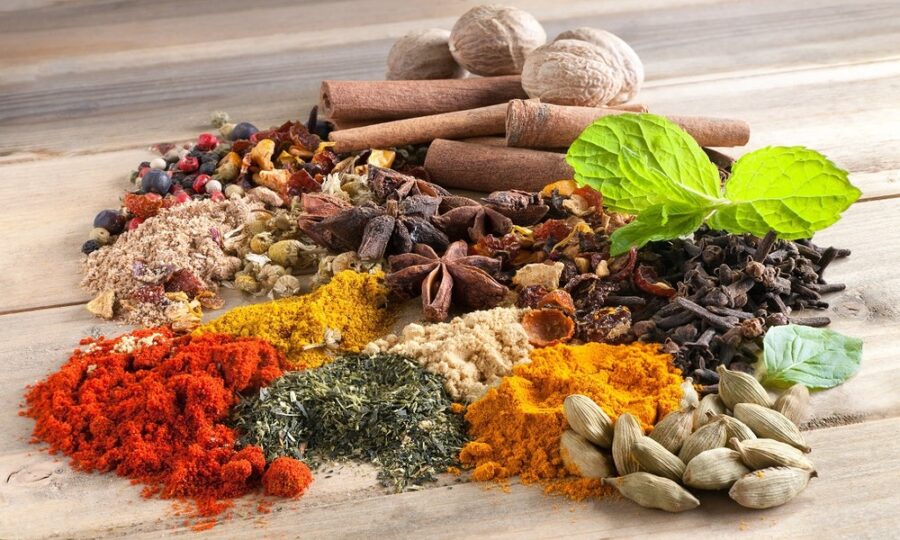
Drying is a critical step in the processing of spices and herbs, influencing both the quality and shelf life of the final product. Freshly harvested spices and herbs contain high levels of moisture, which can promote microbial growth, enzymatic activity, and spoilage.
Efficient drying not only preserves flavor, aroma, and color but also reduces transportation costs and enables longer storage.
To meet the diverse requirements of spice and herb processing, manufacturers rely on specialized drying machines that offer precise control, high efficiency, and consistency.
Importance of Drying in Spice and Herb Processing
Spices such as chili, black pepper, and turmeric, as well as herbs like basil, mint, and rosemary, are highly sensitive to moisture. Improper drying can result in mold growth, loss of volatile oils, and degradation of essential nutrients. Additionally, residual moisture can affect grinding efficiency and lead to caking during storage.
Therefore, employing advanced drying equipment is essential to maintain product integrity, extend shelf life, and ensure compliance with food safety standards.
Common Drying Machines Used
1. Tray Dryers
Tray dryers are one of the most traditional methods for drying spices and herbs. They feature multiple trays stacked within a drying chamber, where heated air is circulated for uniform drying. The product is spread evenly on the trays, and hot air passes through to remove moisture.
Tray dryers offer gentle drying, making them suitable for delicate herbs that are prone to losing aroma and color. Nevertheless, their throughput is generally lower than that of newer, more advanced systems.
2. Fluidized Bed Dryers
Fluidized bed dryers operate by passing a stream of hot air through the chamber, suspending and agitating the spices or herbs. This results in rapid and uniform drying. These machines are particularly effective for granular spices such as cumin, coriander, and fennel seeds.
The agitation prevents clumping and ensures even moisture removal. Fluidized bed dryers are favored in commercial operations due to their high efficiency and consistent product quality.
3. Spray Dryers
Spray drying is commonly used for powdered spice extracts or herb concentrates. In this approach, a liquid spice extract is atomized into fine droplets and exposed to a flow of hot air.
The water rapidly evaporates, leaving behind fine, free-flowing powder. A spray dryer is ideal for producing spice powders with consistent particle size, high solubility, and minimal loss of aroma.
4. Freeze Dryers
Freeze drying, or lyophilization, preserves the flavor, color, and nutritional content of herbs and spices at an exceptional level. The product is first frozen and then subjected to a vacuum, allowing moisture to sublimate directly from ice to vapor.
Freeze drying is particularly useful for delicate herbs such as basil, parsley, and cilantro, where retention of volatile oils and natural color is crucial. Although highly efficient, freeze dryers require significantly higher capital investment and operating expenses than traditional methods.
5. Rotary Drum Dryers
Rotary drum dryers are suitable for large-scale spice production. Spices are fed into a rotating drum while hot air is passed through, ensuring even drying.
These machines efficiently process bulky materials, making them well-suited for items like chili flakes or dehydrated ginger slices. The controlled rotation minimizes product degradation and allows for continuous operation.
Key Considerations in Machine Selection
When choosing a drying machine for spices and herbs, several factors must be considered:
- Product Sensitivity: Delicate herbs require gentle drying methods to preserve aroma and color.
- Throughput Requirements: High-volume production benefits from fluidized bed or rotary drum dryers.
- Energy Efficiency: Contemporary drying systems with optimized airflow and heat recovery help lower overall operational costs.
- Hygiene and Safety: Machines must comply with food-grade standards and allow easy cleaning to prevent contamination.